

Things We’ve Learned From Bugs in 50 Years
Fifty years of working with beneficial insects has taught us a few things about garden pests, nature’s remarkable problem-solvers, and why the good guys deserve a little more credit.
In 1976, the idea of releasing bugs into your garden to get rid of other bugs raised a few eyebrows.
After all, weren’t bugs the problem?
Not necessarily. As it turns out, some of nature’s most effective pest-control specialists have six legs, impressive appetites, and absolutely no interest in a paycheck.
At Organic Control, we’ve spent 50 years helping gardeners put the good guys to work. Along the way, we’ve learned a few things worth sharing. And Mother Nature still manages to surprise us.
Lesson #1: Everyone loves a ladybug. Well, almost everyone.
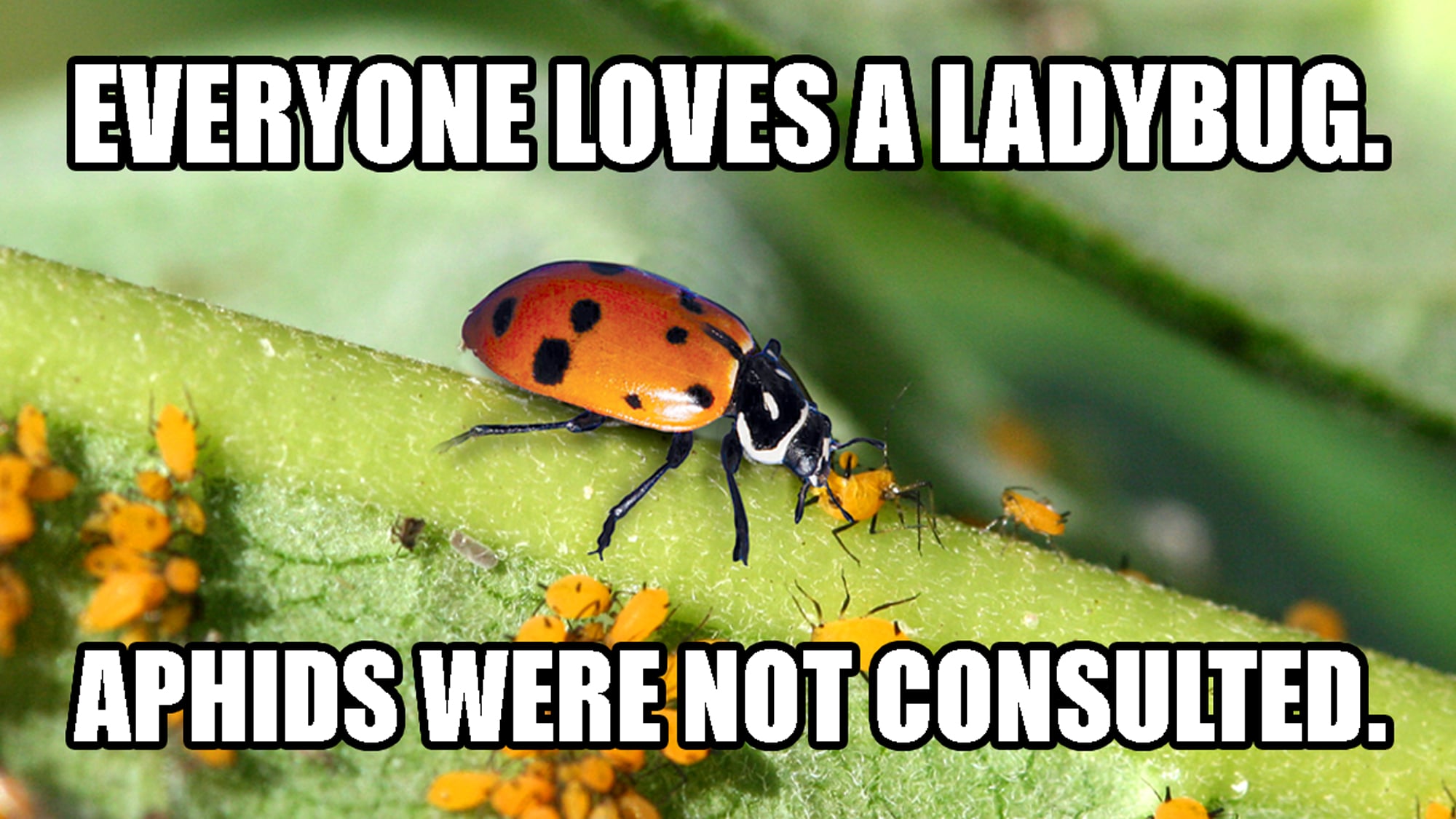
Ladybugs may be the celebrities of the insect world. They’re colorful, charming, and generally welcome wherever they land.
Unless, of course, you’re an aphid.
These tiny, sap-sucking pests can damage tender plant growth, but a hungry ladybug can devour up to 50 aphids in a single day. And ladybug larvae? They’re just as enthusiastic about the menu, even if they look nothing like their adorable parents.
That’s an impressive résumé for something that fits on your fingertip.
Lesson learned: Never underestimate the good guys. Sometimes the best garden protection comes with spots.
Curious about these little aphid-eaters? Meet our Ladybugs and discover how to put them to work in your garden.
Lesson #2: Some of the best work happens behind the scenes.
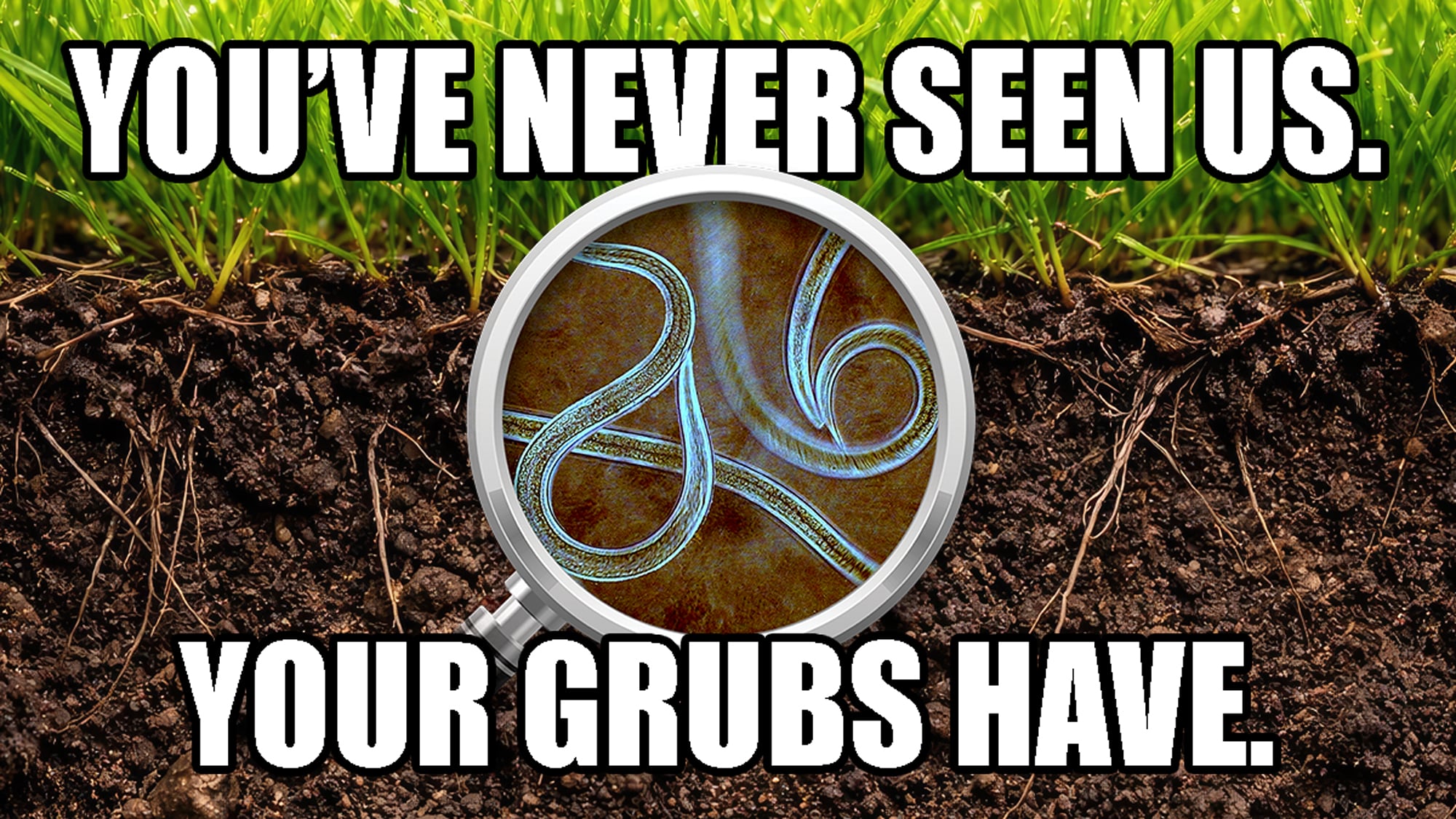
If ladybugs are the garden’s celebrities, beneficial nematodes are its undercover agents.
They’re microscopic, live in the soil, and rarely receive the recognition they deserve. But beneath your feet, they’re busy hunting down grubs, flea larvae, fungus gnat larvae, and other unwanted pests.
In fact, beneficial nematodes can target more than 230 types of soil-dwelling and wood-boring pests, often before those pests emerge and cause visible damage.
No fanfare. No dramatic entrance. Just millions of tiny organisms doing some very important work underground.
And unlike a lot of pest-control approaches, this one works with living organisms already found in nature.
Lesson learned: Just because you can’t see something working doesn’t mean it isn’t making a difference.
Want to meet the invisible workforce? Discover Beneficial Nematodes and learn how they help protect lawns and gardens.
Lesson #3: Never underestimate the quiet ones.

Praying mantids have mastered the art of looking completely unbothered.
They can remain nearly motionless for long periods, blending into the greenery while keeping a remarkably close eye on their surroundings.
But don’t mistake that stillness for inactivity.
With exceptional vision, heads that can turn nearly 180 degrees, and lightning-fast reflexes, praying mantids are formidable predators. When an unsuspecting insect wanders within reach, those powerful front legs spring into action.
They’re not particularly picky eaters, either. Mantids hunt a variety of insects, including many common garden pests. They may occasionally catch other beneficial insects, too—a reminder that nature’s food web isn’t always as simple as good guys versus bad guys.
Lesson learned: A healthy garden isn’t a bug-free garden. It’s one where nature has room to maintain its balance. No chemicals required.
There’s more to these fascinating predators. Meet the Praying Mantids and discover what makes them such remarkable hunters.
50 Years Later, We’re Still Learning
When Organic Control began in 1976, using beneficial insects instead of relying solely on chemical pesticides was an unconventional idea.
Today, more people are looking for thoughtful ways to care for their gardens, outdoor spaces, families, and the environment.
And the philosophy that inspired us 50 years ago hasn’t changed: Sometimes the best way to protect a garden is to add life, not eliminate it.
We’re still fascinated by the tiny creatures doing extraordinary things all around us. And we’re still learning from the best teacher we know: Mother Nature.
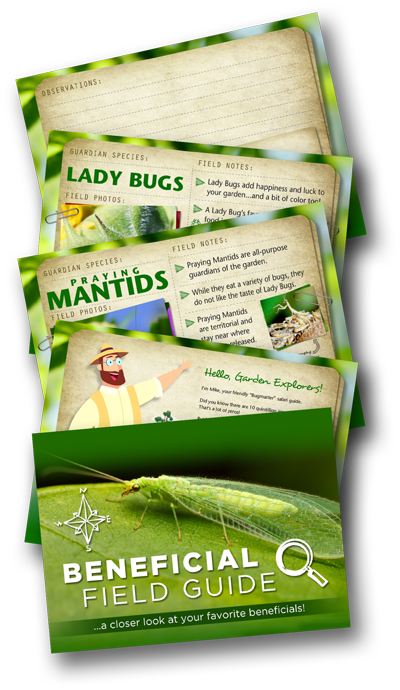
Want to get better acquainted with nature’s good guys? Explore our Beneficial Insect Field Guides or click the button below to find a retailer carrying Organic Control beneficial insects near you.
Here’s to the next 50 years of working with nature!