


Beneficial Nematodes: Natural Grub & Japanese Beetle Control for Fall

When it comes to protecting your garden and lawn, few pests are as destructive as grubs—the larval stage of beetles like Japanese beetles, June beetles, and chafer beetles. These soil-dwelling larvae feed on tender plant roots, turning lush lawns into patchy brown carpets and leaving plants vulnerable to decline. But there’s good news: you can stop them before they even surface.
The secret? Grub Control with Beneficial Nematodes.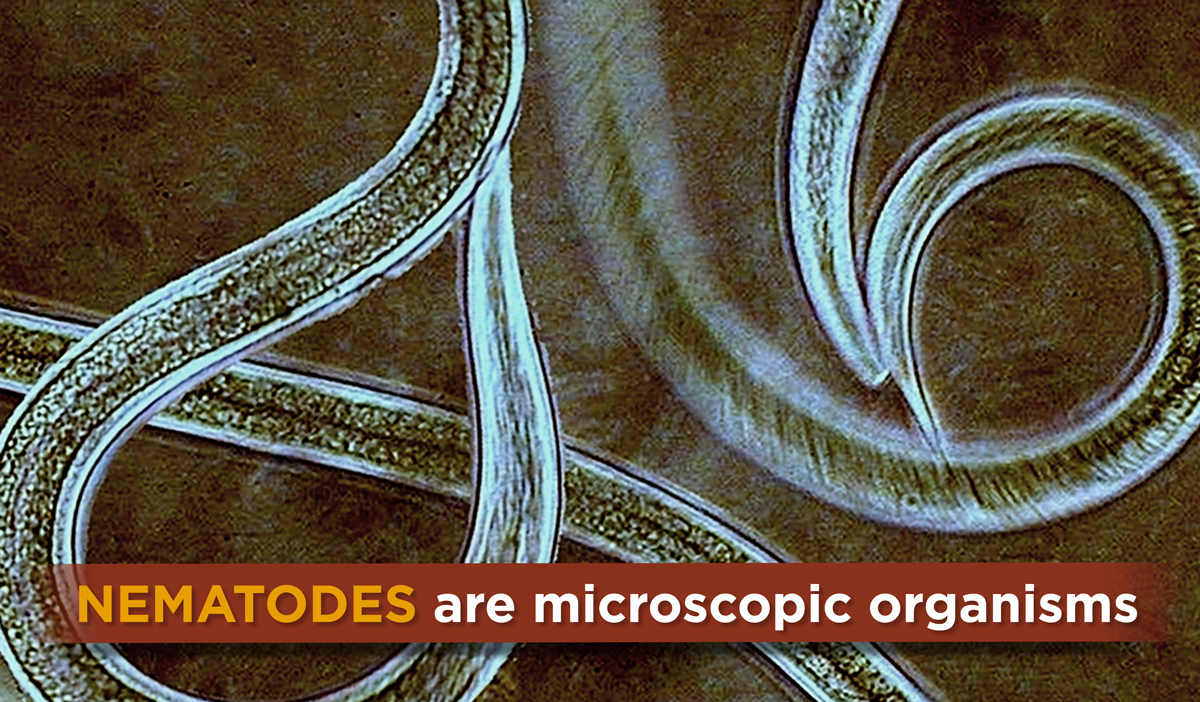
These microscopic worms are a safe, natural, and highly effective way to target grubs and other soil-dwelling pests. And fall just happens to be one of the best times to apply them. Here’s why.
What Are Beneficial Nematodes?
Beneficial nematodes are microscopic organisms that naturally occur in soils around the world. Once applied to your lawn or garden, they move through the soil searching for insect larvae. When they find a host, they enter the body, release symbiotic bacteria, and kill the insect from the inside.

The nematodes then reproduce inside the carcass of the dead grub. They lay eggs that hatch into millions of new nematodes, which burst back into the soil to hunt more pests. This self-perpetuating cycle keeps populations in check and helps nematodes remain active in the garden for weeks. Unlike chemical insecticides, beneficial nematodes are:
– Safe for people, pets, pollinators, and the planet
– Free of harmful chemicals
– Self-replicating
– Capable of targeting over 230 soil-dwelling pest species
Why Focus on Grubs and Japanese Beetles?
A ‘grub’ isn’t a species in itself—it’s the name for the larval stage of scarab beetles such as Japanese beetles, June beetles, and chafer beetles. While the adult beetles can be a nuisance above ground, the grub stage is when they are most destructive underground. They chew on grass and plant roots, causing dead patches in lawns and weakened plants above ground. Later, when they emerge as beetles, they attack leaves, flowers, and crops, often in devastating numbers.
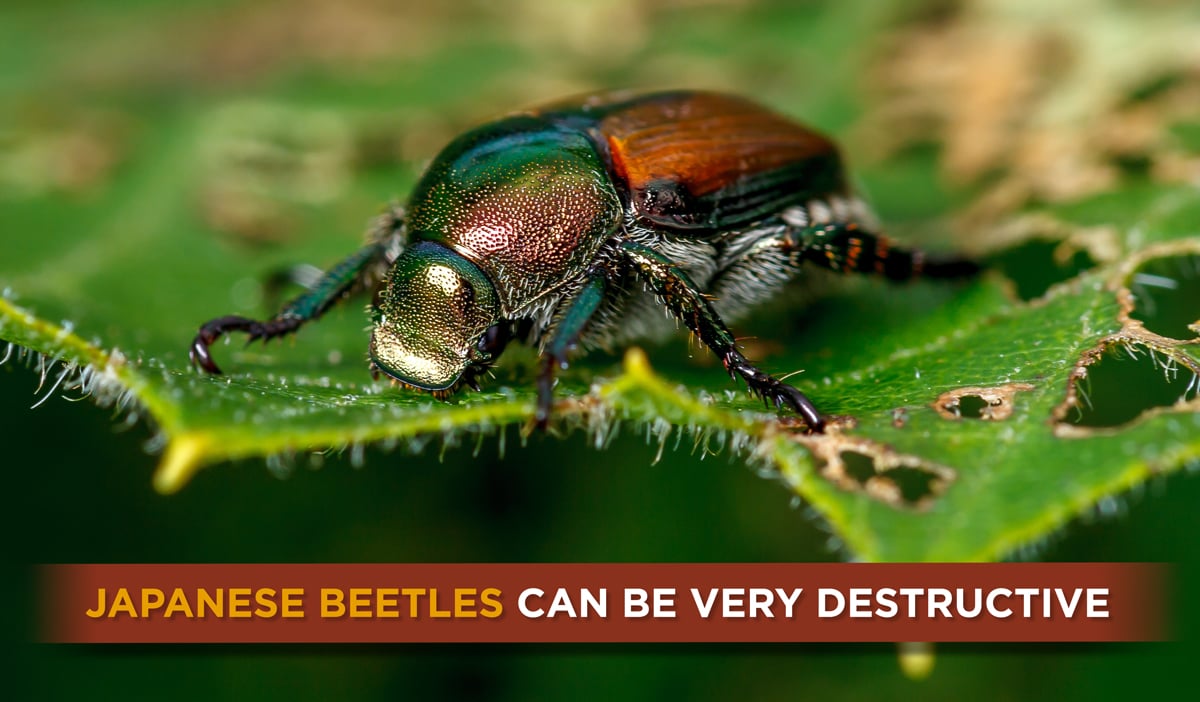
Japanese beetles, in particular, have an unusually broad appetite—feeding on more than 300 species of plants. Unlike many insects that prefer only a few types of plants, their indiscriminate feeding makes them especially destructive since nearly everything in your garden can become a meal.
Why Fall Is the Best Time for Application
Fall offers a “sweet spot” for applying beneficial nematodes:
1. Grubs are young and vulnerable.
2. Cooler, moist soil favors nematodes because they can crawl through that soft soil.
3. You’re proactively fighting next Spring’s beetles.
4. Provides long-term pest suppression.
How to Apply Grub Control
Applying beneficial nematodes is simple:
1. Buy from a trusted source such as your local nursery or garden center that carries Organic Control Beneficial Nematodes.
2. Apply at the right time—preferably evenings or cloudy days since UV rays will kill the nematodes.
3. Mix with water and apply using a hose-end sprayer.
4. Water them in thoroughly so they burrow into the soil.
5. Reapply each fall for continued protection.
Complementary Organic Strategies
Enhance results with these strategies:
– Water smart: avoid daily summer watering that helps grub eggs survive.
– Choose deep-rooted grasses like turf-type tall fescue.
– Hand-pick adult beetles and dispose in soapy water.
– Consider companion planting with garlic, rue, or tansy.
 Real-World Results
Studies show beneficial nematodes can reduce grub populations by 50–75%. A healthy lawn can tolerate some grubs without damage. The goal is balance, not eradication. Nematodes simply restore balance to soil ecosystems.
Why Choose Grub Control Over Traps or Chemicals?
Japanese beetle traps often attract more beetles than they catch, which can end up defeating the original purpose. Chemical sprays may kill beetles but risk harming pollinators. Nematodes are selective, effective, and long-lasting, providing season-long protection for your garden.
Final Thoughts
Fall is the golden opportunity to stop Japanese beetles before they wreak havoc next spring. By applying Grub Control in September or October, you set your garden up for success year-round. They’re safe, natural, and proven effective against hundreds of soil-dwelling pests.
Helpful Gardening Resources We Love
We’re grateful for the many garden experts and educators who share their knowledge so all of us can become better stewards of our lawns and landscapes. Here are a few wonderful resources to explore if you’d like to dive deeper:
– KARE 11 News Segment on Beneficial Nematodes – A big thank you to KARE 11 in Minneapolis for spotlighting organic solutions like nematodes in the fight against grubs and beetles.
– Garden Fundamentals YouTube: Beneficial Nematodes Explained – We appreciate the Garden Fundamentals channel for walking gardeners through the science (and the how-to!) of using nematodes successfully.
Together, we can share knowledge and keep our gardens thriving—without relying on harmful chemicals.