
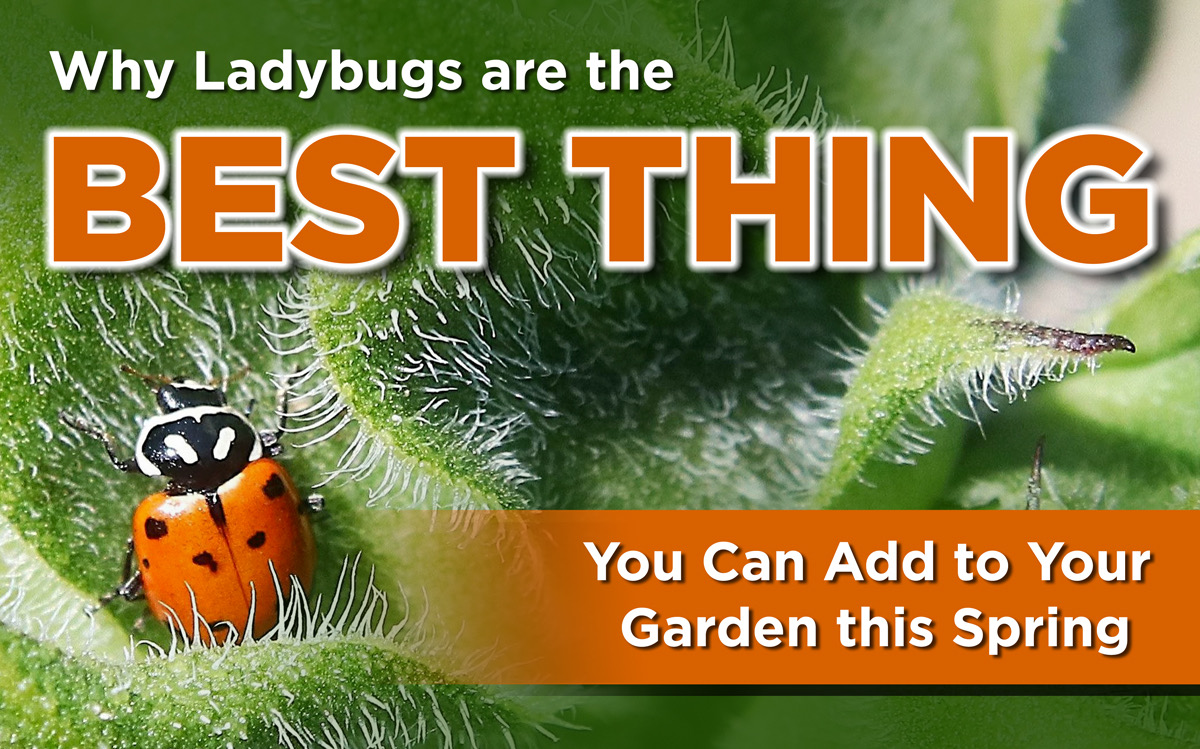
Why Ladybugs Are the Best Thing You Can Add to Your Garden This Spring
Spring is when everything in your garden begins again.
Plants start to grow. Soil comes back to life. And—whether you notice it or not—so do the pests that can damage your plants before the season even gets underway.
Most solutions try to stop that cycle.
There’s another approach: work with it.
Ladybugs offer a simple, natural way to support your garden from start to finish—beginning with how they grow, where they live, and how they protect what you plant.
Step 1: Start at the Beginning — Watching Ladybugs Grow
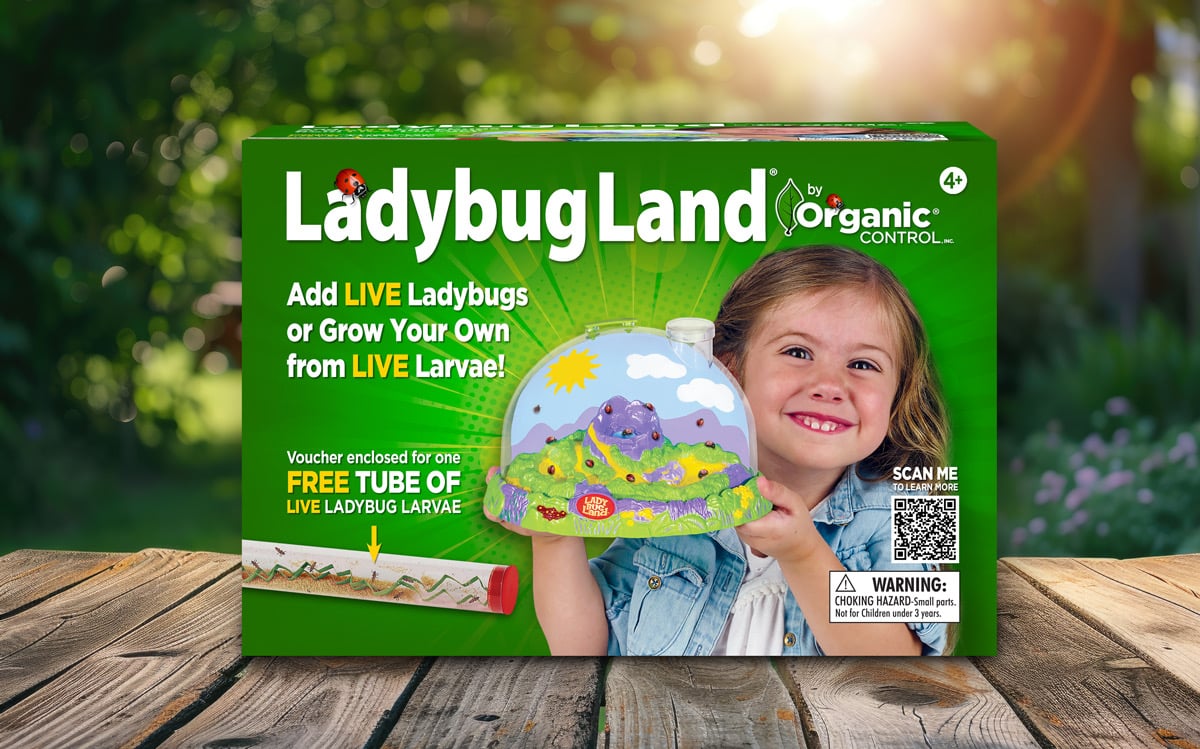
For many people, ladybugs are something you buy and release.
But their story starts much earlier.
With Ladybug Land, you can observe the early stages of a ladybug’s life:
- From larvae to adult
- From tiny, almost unrecognizable forms to the familiar red beetle
- From passive observation to understanding how beneficial insects actually work
This isn’t just educational—it changes how you see your garden.
Instead of reacting to problems, you begin to understand the natural systems already at work.
What Most People Don’t Know
Ladybug larvae don’t look like ladybugs—but they’re just as important.
In fact, during this stage, they are some of the most active feeders, consuming aphids and other soft-bodied pests as they grow.
By the time they become adults, they’re already doing the job your garden needs.
Step 2: Give Them a Reason to Stay
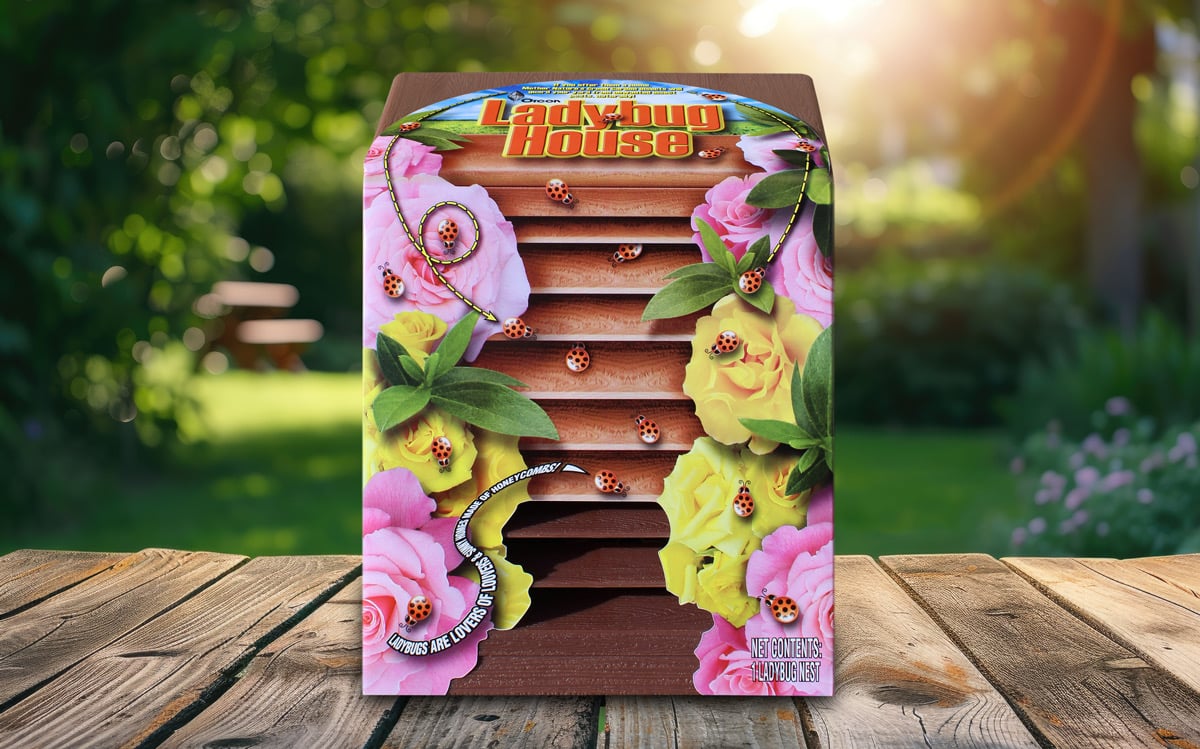
Releasing ladybugs is only part of the process.
If your yard doesn’t support them, they’ll leave.
That’s where habitat matters.
A Ladybug House provides:
- Shelter from weather and temperature changes
- A place to rest and cluster
- A reason for ladybugs to remain in your garden longer
Combined with the right conditions—moisture, plants, and food sources—you’re not just introducing insects.
You’re creating an environment they want to return to.
Step 3: Let Them Do What They Do Best
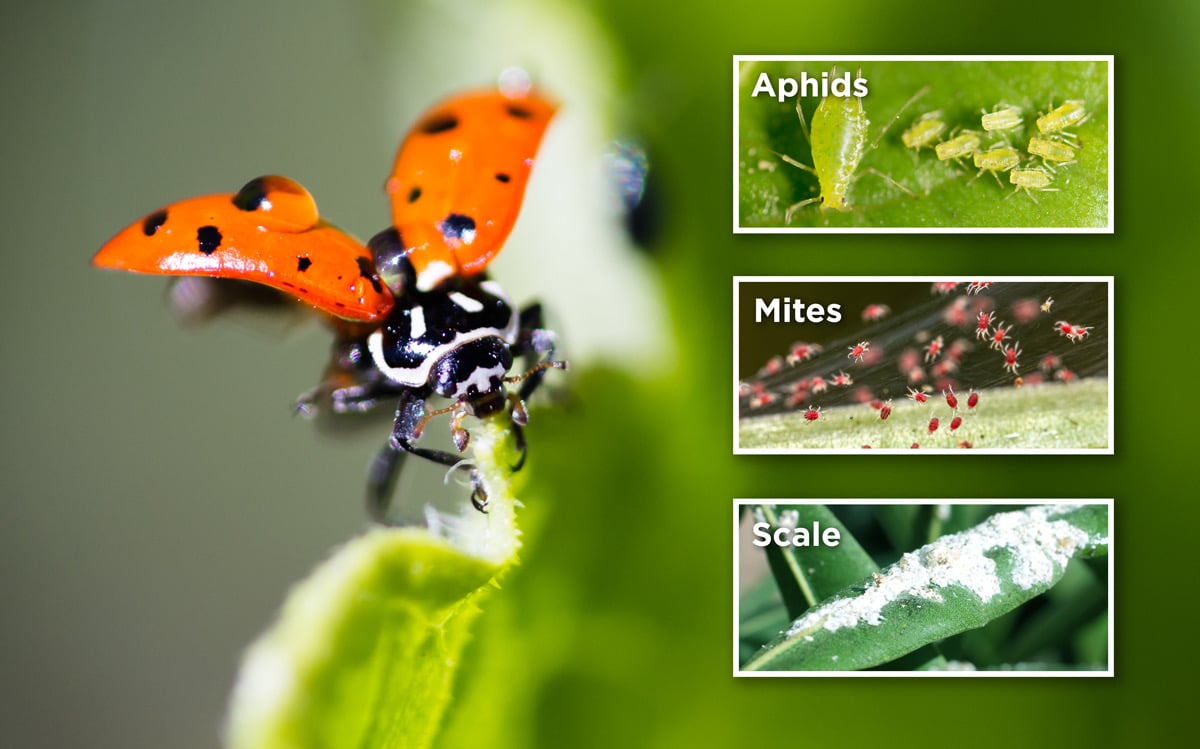
Once established, ladybugs become one of the most effective natural defenses your garden has.
They feed on:
- Aphids
- Mites
- Scale insects
A single ladybug can eat dozens of aphids a day. Over time, that adds up to meaningful, visible impact on plant health.
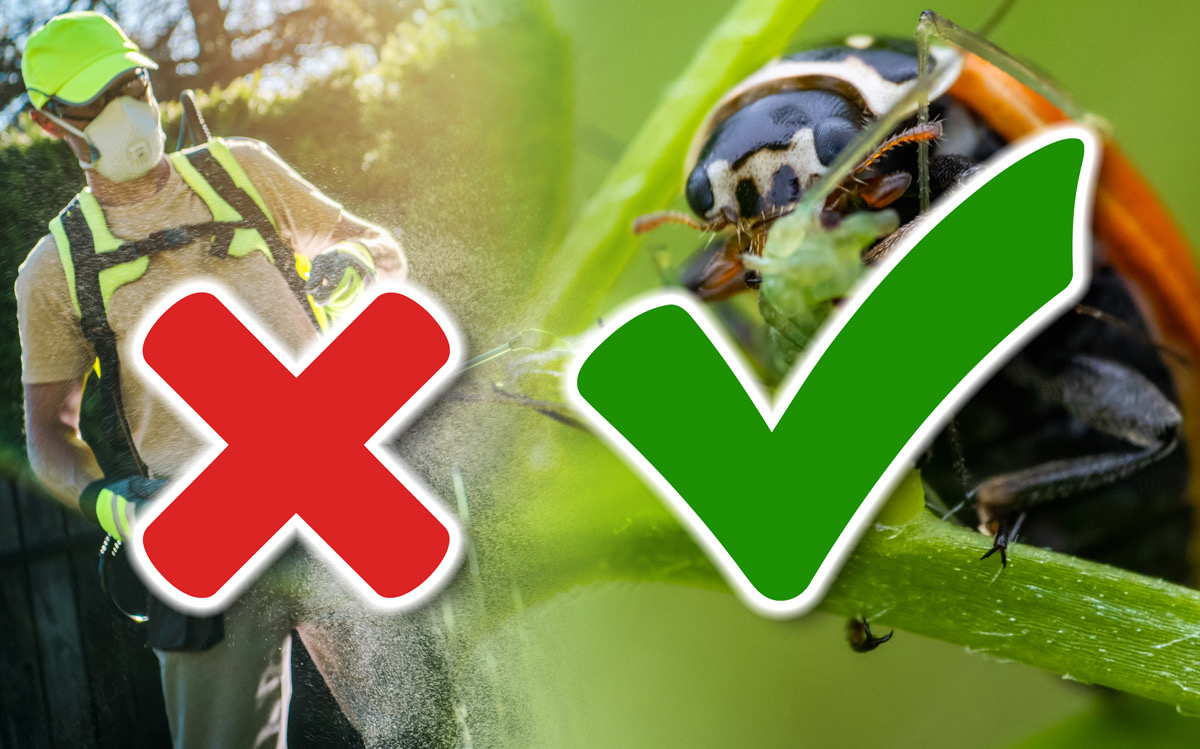
And unlike sprays, they don’t disrupt the balance of your garden—they restore it.
Why This Approach Works
Most traditional methods focus on control.
Spray. Eliminate. Repeat.
But that approach often creates a cycle:
- Remove pests
- Remove beneficial insects at the same time
- Create conditions where pests return—often faster
Ladybugs work differently.
They:
- Target the pests you don’t want
- Leave the rest of your garden untouched
- Help maintain a natural balance over time
A Simpler Philosophy
For many gardeners, the shift is straightforward:
Less intervention. More observation. Less control. More balance.
It’s not about doing nothing—it’s about doing the right thing at the right time.
And sometimes, that means letting nature take the lead.
How to Get Started (Practical Tips)
To get the most out of ladybugs:
- Release them in the evening when temperatures are cooler
- Lightly mist plants before releasing
- Place near aphid-prone plants like roses and vegetables
- Avoid using chemical pesticides that can harm beneficial insects
- Provide a habitat (like a Ladybug House) to encourage them to stay
Bringing It All Together
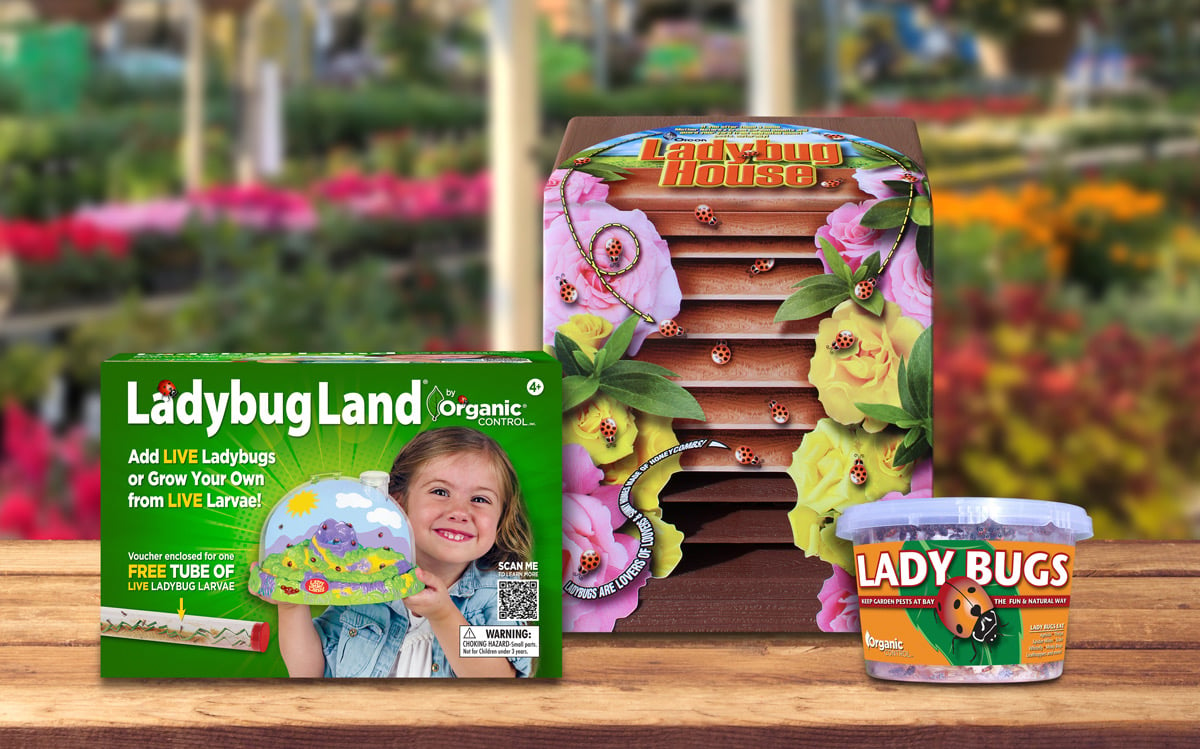
There’s a natural progression to using ladybugs in your garden:
- Start by observing how they grow and develop (Ladybug Land)
- Create a place for them to live so they stay longer (Ladybug House)
- Let them protect your plants as part of a balanced system (Adult Ladybugs)
It’s a complete, natural approach—one that works with your garden instead of against it.
Conclusion
You don’t need to fight your garden into shape this spring.
You can support it.
You can understand it.
And you can let something as small as a ladybug make a meaningful difference—over time.